Episode Transcript
[00:00:00] Speaker A: Foreign.
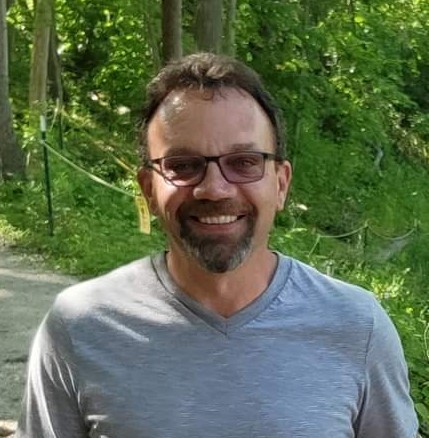
[00:00:22] Speaker B: Welcome back to Sheboygan Stories Unhoused and unheard. I'm Scott labonte.
Today's episode, I'm sitting down with Kathleen again and she's joining me because it's the topic that we're talking about is something we lived together while we ran Pay It Forward. Here in Sheboygan, when people talk about those experiencing homelessness, the conversation is often pretty simple. It's about compassion, resources, and helping people get back on their feet. And those things absolutely matter.
But there are also parts of this work that are complicated, parts that people don't always see.
So today we wanted to talk honestly about some of the realities of this work. The balance between compassion, safety, accountability, and what it actually takes to run a space that serves people well.
And just to be. Just to be clear right up front, this episode isn't about attacking anyone or criticizing anyone for the work that people are trying to do in the community.
Running spaces that serve vulnerable populations is incredibly hard work, and anyone stepping up to try to help deserves credit for that.
But honest conversations are also very important.
Why? This conversation matters a lot, actually, and we've probably hit on it a couple times here and there throughout some of the episodes.
But recently we've been having conversations with several of the people in our unhoused community. And something that keeps coming up is that some people aren't going to the Warming Center.
Now, I want to be clear about something here. The Warming center exists because people care.
It's there to help people stay safe in dangerous weather. And that's a good thing.
But in conversations that I've had on the street, some people have told me they don't feel comfortable going there.
Some people say that they feel unsafe. Others say that there are things happening inside that make them uneasy.
Now, I can't verify every claim someone makes in a conversation like that, but when you hear similar conversations from different people, it does raise an important question.
Why would someone choose to stay outside in cold or freezing weather rather than go someplace warm?
And that's a question worth exploring. So that's kind of where we're going to go with this today.
So running Pay It Forward taught us a lot about how complicated this work can be.
Creating a space that is welcoming is one thing.
Creating a space that is both welcoming and safe is something entirely different.
[00:03:00] Speaker A: Right, Absolutely. Sorry. That makes me actually laugh when you say that. Because when we open on Michigan Ave.
I mean, we were first timers. I had been doing the day to day outreach for quite a while, over two years at that point.
But it's completely different when you're in your own space and you have to come up with your own rules and your own accountability and your own structure and. And we learned very quickly that what, what I thought would work.
Absolutely did not.
It did not. I'm very, I've always been very, very open with people that, like, if you came into Michigan Ave. It was one thing, and if you came into Erie Ave, it was something completely different because I learned so many valuable lessons. We learned some hard lessons on Michigan Ave. Yes. Some super hard lessons on Michigan Ave.
But we were constantly pivoting. We were constantly learning. We were constantly changing what we were doing in that first six months to a year. Well, we were constantly changing and pivoting what we were doing.
[00:04:15] Speaker B: Even on your rev.
[00:04:16] Speaker A: Yeah, yeah, all the way through. But it slowed after that first six months to a year because we got in a really good rhythm. We were very consistent with our rules. We were very consistent with the consequences.
[00:04:33] Speaker B: Well, you have to be.
[00:04:34] Speaker A: We were very consistent with our expectations of the individuals in our center and the, the accountability.
[00:04:44] Speaker B: Right.
[00:04:44] Speaker A: For choices that they made inside and outside.
[00:04:47] Speaker B: Absolutely.
[00:04:48] Speaker A: Our center.
[00:04:49] Speaker B: And there needs to be that accountability.
[00:04:51] Speaker A: There has to be. You know, we could have two peers that could literally be around the corner duking it out and they could walk in our do 3 seconds apart from each other. And the one thing I would always tell them is whatever was going on out there, leave it out there.
You don't bring it in our doors. If somebody was at the warming center at night and they were having issues there, you know, the warming center and us. I was used to be really good about giving a heads up, like, this is what's coming your way or this is what we've dealt with all day or all night, vice versa, you know, just so you were prepared because there's lots of tensions when they're around each other all the time.
But we would always tell them, I don't, I don't really care what was going on there.
[00:05:41] Speaker B: Right.
[00:05:42] Speaker A: That's not our space because we weren't there. We don't know what was going on, but you're not allowed to bring it into our space.
I'm more than happy to sit down and, and talk with you and listen to you and. But for you and somebody else to pick up that battle that you just.
That came from somewhere else, that just didn't fly. We couldn't do that.
You know, people would often tell us, you know, like, like I always called it romper room.
[00:06:23] Speaker B: Right.
[00:06:24] Speaker A: Like, you know, what so and so was doing last night when they weren't here. And I'd say no, no. And to be honest, I really don't care because I have no control over that.
[00:06:35] Speaker B: I, I don't want to know some of the things.
[00:06:36] Speaker A: You just have no control over that. That's their choices.
We can discuss accountability for your choices, but it's none of my business what they were doing when they weren't here.
[00:06:45] Speaker B: Right?
[00:06:46] Speaker A: It's not.
And if I'm working with them one on one on something, it's their business to tell me. It's between the two of us, not on somebody else. I mean, you.
We worked super hard to make our center a space where everyone felt safe.
And I think we were really successful at making 96% of our peers feel safe.
[00:07:17] Speaker B: Yeah, there was always a couple.
[00:07:18] Speaker A: Because you're never gonna make everybody happy.
[00:07:21] Speaker B: Right.
[00:07:21] Speaker A: You're never gonna make everybody feel safe and that their needs are met 100%.
You're just not right. But if we didn't have all of those rules that were very clearly on all of our walls and all of our doors and all of our, I mean, we, we had them everywhere and they were upheld. Yes. If we didn't have all of those rules and the consequences that we adhered to, you know, we, they knew if they did something and if it wasn't caught till I caught it on the camera, the next time I was looking through some video or whatever, they were going to pay the consequences for it.
But that was what also led to you.
You implement that and you be diligent about that, and next thing you know, you're not being the stickler, you're not being the hard ass. You don't have to because people are respecting the fact that you have those rules.
People are respecting the fact that you are going to hold them accountable. Like I've always told our peers, we had the best relationship and it took a lot of work, but we had the best relationship with the Sheboygan Police Department.
[00:08:51] Speaker B: Oh, we sure did.
[00:08:52] Speaker A: And like, everybody has history.
Everybody does. You know, I always joked our peers thought that I was
[00:09:04] Speaker B: little goody two shoes.
[00:09:05] Speaker A: Yeah. This little, like I was that 50 year old white woman. What am I gonna learn from her? Well, you know, that young man was very shocked when I turned around and said, well, I have a mug shot that's probably not any different than yours. So.
[00:09:20] Speaker B: Right.
[00:09:20] Speaker A: Hey, did I, did I rob a place? No. Did I get drunk and wreck a car and leave the scene of my own accident? Yes, I did. Not hurt anybody else.
[00:09:30] Speaker B: Just took out a fire hydrant.
[00:09:31] Speaker A: It's myself and my car. I took out a fire hydrant. I was 18 years old in the UP.
Anyway, I have mugshot because of it. Like, don't. Don't judge a book by its cover. You have no idea what it's been through. I mean, they had no idea anything about who I was or what led us to where we are today.
[00:09:56] Speaker B: Right. And why we did the things we did.
[00:09:58] Speaker A: Right. And why we do what we do. It's like, you know, because I would always tell our peers some of the things that I could do for them to help guide them, like the ones who struggle with addiction.
[00:10:16] Speaker B: And
[00:10:19] Speaker A: I was able to do that for them, but I wasn't able to do it for my own daughter.
[00:10:24] Speaker B: Right.
[00:10:28] Speaker A: You know, but you.
You can't just tell people how they're supposed to behave and not have very real conversations about who you are, where you come from.
[00:10:47] Speaker B: Right.
[00:10:47] Speaker A: Why you do the things you do.
And you have to, regardless of your personal feelings, you have to have that accountability, because otherwise they're just running amok and nobody's safe.
[00:11:02] Speaker B: Right. It's that structure and boundaries that makes it safe.
[00:11:07] Speaker A: Right. You know, our peers knew. Sorry, I have squirrel moments. I start on one thing and go into 12 others.
The police department thing, they loved. Our peers knew when they filled out their intake paperwork. You know, we ask, have you ever been to jail? Do you have a criminal background? Do you have a po do you. Whatever they ask, all of that. And I would tell our peers, like, if you knew they were being dishonest, it's like, I mean, unless there's a warrant out for you because you committed some atrocious felony, I'm not. I'm not going to turn you in.
I'm going to talk with you about how you need to take accountability for your actions and be responsible for that and be accountable for your choices, which means turning yourself in.
[00:11:57] Speaker B: Right.
[00:11:58] Speaker A: And dealing with that, because then you can't make changes going forward without that.
But here's the big kicker.
I may not turn you in nine out of ten times, but we are not the place for you to hide.
[00:12:12] Speaker B: No, we're not going to protect you if they come over.
[00:12:13] Speaker A: We are not the place for you to hide because they are freely allowed to come in here.
The main reason for the police department being allowed to. Being encouraged to freely come into our center at every time, at any time, was to normalize that relationship.
That just because you got in trouble with a certain officer at 6 o' clock that morning or at noon the day before.
Doesn't mean when they come in today in the afternoon for coffee or to say hi that that's even going to be brought up. They're just going to have a, hey, how's it going?
What are you doing today? Is there something I can help you with?
[00:12:58] Speaker B: Yeah.
[00:12:59] Speaker A: And I mean, and that's. And that's what we. That's what we need. That's. That's the relationship that we wanted built. And from what I hear from our peers, That relationship isn't being encouraged anywhere else.
[00:13:17] Speaker B: Right.
[00:13:17] Speaker A: And, you know, and I don't know that firsthand, so, like I said, we can't.
[00:13:20] Speaker B: We can't confirm any of that because we're not there.
[00:13:23] Speaker A: It's just the same story from multiple
[00:13:26] Speaker B: sources and not all in the same conversation.
[00:13:29] Speaker A: Right.
[00:13:29] Speaker B: It'd be different if there was a group of us sitting around and everybody was like, oh, yeah, you know, what he said or what she said or, you know, but it's not. It's different conversations completely different times sometimes. And it's usually a recurring theme.
[00:13:42] Speaker A: Yeah. Sometimes it's a stop on the street, like if I'm going into the nature store, if I stop in at the library or.
[00:13:48] Speaker B: Or they reach out to us because they still feel the need to tell us absolutely everything.
[00:13:53] Speaker A: I've always said that through all of this, I hear everything, whether I want to or not.
[00:13:57] Speaker B: Right.
[00:13:57] Speaker A: Whether I want to or not, somebody's going to come and tell me.
[00:14:01] Speaker B: Right.
You know, there needs to be that accountability. There needs to be the boundaries. There needs to be structure. There needs to be consistency.
You know, if you want everybody to feel safe. You know, we talk a lot about our rules and our. The boundaries we had and the consequences we had. If somebody came in intoxicated, aggressive, bringing things into the space that made somebody feel safe, that affects everybody.
[00:14:29] Speaker A: Correct?
[00:14:29] Speaker B: Yeah. And if people start to not feel safe, they're not going to come correct. And we saw that.
[00:14:37] Speaker A: Yes.
[00:14:37] Speaker B: You know, we saw and we realized we needed to make changes. We needed to make sure that it was a safe space for everybody.
Sometimes people think that helping means removing all rules.
Quite the contrary.
It's those rules that keep everybody safe and everybody accountable.
But that's also where it gets complicated, because compassion matters. And there has to be compassion in there somewhere also with that compassion. As Kathleen had talked about a little bit ago, as we had mentioned, often the accountability matters.
When we ran the center, it wasn't just about offering a cup of coffee or a place to sit. We had conversations about goals. We had talked about budgeting.
We had conversations about employment. We talked about the steps it start.
The steps it takes to start changing your situation.
And from what I hear and what I see. And again, I'm not pointing fingers. I'm not blaming anybody. I'm not trying to target anybody.
Those conversations aren't happening.
[00:15:51] Speaker A: No, but I will.
I will say what I've said before. I will say what I say every time to our peers or even some of some of our previous supporters who overlap with other organizations.
Just because things are done differently at another organization doesn't mean that they're not supporting their mission.
[00:16:24] Speaker B: Right.
[00:16:26] Speaker A: We all have different missions. We all have different ways of doing things.
Like our peers. When our center was open, our peers would come in and tell us stuff and be like, Ms. Kathleen, you need to change that. And I'm like, well, I can't control what goes on. Not our place at somebody else's organization. I can let them know if you have specific problem with a. With a volunteer or whatever, you know, I can relay that information. But then what they do with that information is their business.
[00:17:00] Speaker B: We have no control over.
[00:17:01] Speaker A: Yeah, we don't have. We don't control what other people do. Like I used to tell. I'm not as powerful as you think I am.
I'm just not. It's not a thing. But here's. Here's the thing.
Regardless of organization status, people as human beings who need to, or want to make changes in our lives or we want to help others make changes in their lives, Just putting a roof over their head with no accountability changes, nothing.
[00:17:51] Speaker B: Right.
[00:17:51] Speaker A: I mean, it keeps them warm and it gets them fed. But you have to be super honest and not ignore behaviors or choices that are keeping them stuck where they are.
[00:18:08] Speaker B: Right. And I get, you know, like you had mentioned just a little bit ago, organizations go according to their missions.
[00:18:18] Speaker A: Right.
[00:18:18] Speaker B: And other organizations, maybe that's not their mission. Their mission isn't to work on those things. It's to provide a shelter from the elements, get them out of. Off the streets in cold weather. And I get that. That is huge.
I don't.
As far as I know, I don't think there's really any organization right now that's doing that that has really stepped up to work on those changes. And the accountability.
[00:18:55] Speaker A: No, that was us, and that was why we did it.
[00:18:57] Speaker B: Right. And that's why we were successful doing it, because we did that. And our peers knew that.
That's not saying that everybody that walked through that door that was their sole purpose, was not to change your life. We had several that were perfectly content living the way they were and wanted no part of ever changing.
But they wanted the space to come in, relax, unwind, be out of the elements and just have some great conversation. Maybe a cup of coffee.
[00:19:24] Speaker A: Correct.
[00:19:25] Speaker B: You know, but the ones that did want that help, we were there and we worked aggressively on it. You know, we had those conversations, those hard conversations that, that most people don't have with them or many people, they just, they skirt around them, you know, and I get that because, you know, as we mentioned, that's not the mission.
I don't know. It's just tough to see.
Strictly my opinion, you know, and. And that holds no weight. No. No credibility whatsoever, probably.
Now I forgot where I was going with that.
[00:20:10] Speaker A: Squirrel moments.
[00:20:11] Speaker B: Big time.
[00:20:13] Speaker A: Squirrel moments.
[00:20:17] Speaker B: Yeah. It'll come back to me. No good. Sorry about that.
It just gone partially old age. Partially. Just squirrel moments.
[00:20:26] Speaker A: Right.
[00:20:31] Speaker B: Now we kind of hit on a little bit about people avoiding the warming center or warming centers in general.
And that's not something. That's just a local thing, you know, if you watch.
[00:20:43] Speaker A: Yeah, right. We're not, we're not targeting.
[00:20:47] Speaker B: We're not pointing fingers. We're not being know, accusing anybody. We're not.
It is a. It is a. A nationwide thing.
[00:20:56] Speaker A: Correct.
[00:20:56] Speaker B: You know, we follow a lot of different podcasts, different. You know, I follow different YouTube channels, this and that, about the homeless community. And it's not just here. It's. It's. It's everywhere.
[00:21:06] Speaker A: Well, I mean, I mean, like, if we related it locally, it's not just the warming center. There are peers who refuse to go to Salvation Army.
[00:21:14] Speaker B: Right.
[00:21:15] Speaker A: Whether it's from past history with them or just some preconceived notion in their head or their own feelings or their past trauma. There. There are individuals who will not go to the refuge to try to get into the transitional living. There are. You know, so. So, I mean, when we say warming center, we're not being specific to the warming. No, it's any place that gets an overnight shelter.
[00:21:42] Speaker B: Our peers off the streets and out of the element. Yeah, we're just going to refer as a warming center. It could be any one of them. So again, I'm not pointing fingers. I'm not trying to accuse anybody.
You know, as you had said, maybe it's past trauma. It could be conflicts with somebody that's there.
[00:21:59] Speaker A: Well, and for some people, it's. I know that we had peers in the past that it was their Own anxiety from past trauma that didn't allow them to be in that room. Like if there's something 70 individuals in there, it's too many people, right. For them to deal with, you know, so sometimes places will work with them to get them, you know, off to the side on their own a little more so they feel safer.
But there's just so much that goes into it. And I just think that the easiest way to say it is all the way around.
Consistency is key. Consistency and transparency.
[00:22:45] Speaker B: Oh, absolutely.
[00:22:45] Speaker A: To the community, like all, all your volunteers or all of your staff, all of it needs to be the, the same. Not like the behaviors from. I'm trying to think of the easiest way to word it.
[00:23:07] Speaker B: You all have to be on the same page.
[00:23:08] Speaker A: The treatment from the people running it needs to be consistent across the board.
[00:23:14] Speaker B: Yes.
[00:23:15] Speaker A: Not.
[00:23:15] Speaker B: Not picking, choosing who gets what consequences or what reactions because, well, you like that person better than the other one.
[00:23:23] Speaker A: It's funny because our peers learned that because they all thought that Scott was like this big pushover and they were getting away with all kinds of stuff just because he was quieter than I was. Boy, did they learn the hard way that that was not true.
[00:23:34] Speaker B: I was quiet.
[00:23:35] Speaker A: Not true.
[00:23:36] Speaker B: I usually didn't say much, but I saw everything.
I paid attention to everything that happened in that center. And when something required my attention, required me to step up, and they found out very quickly that I wasn't the pushover that they thought I was. And to a few, that was quite the surprise, you know, and you know, we heard about it afterwards when people went up to Wifey and like, wow, dude, we, you know, we didn't know that, but it all worked.
But, but you have to have that consistency. You have to be straight up across the board saying, this is what's going to happen. I don't care if you were there, if Kate was there, if Apple, anybody was there, this is what it was.
The rules didn't change because you or I weren't there.
[00:24:19] Speaker A: Correct.
[00:24:25] Speaker B: So that tells us kinda simply having a space, a roof over your head isn't enough.
People need to feel safe. They need to feel accepted.
And I know that's a tough thing to do. That takes a lot of work.
With that comes another layer, I guess, to all of this that makes these conversations even more important. Right now we're running end of March warming center. The warming center, and I am referencing the warming center at St. Luke's won't be open forever. It closes April 15.
And when that happens, people don't just disappear they're still here and they're still trying to figure out where to go, how to stay safe, and how to get through each day.
So the need doesn't change.
It doesn't go away.
[00:25:30] Speaker A: Correct. You know, and that's something that people don't always think about. Like, a warming center is temporary by design. It's to get you through the worst weather.
[00:25:39] Speaker B: Right.
And we do appreciate how much they've expanded their operating.
[00:25:44] Speaker A: Oh, hell yeah. When we first started doing Pay it Forward, like sharing space and stuff, I think they were open for like seven weeks in January and February with the deep freeze.
So, I mean, it's.
It's really grown since then. And we're super grateful for that. Our peers are super grateful for that. But, you know, when Pay it Forward was open, we watched and the warming center watched on the other side. The spiral, like last year, they saw and dealt with the spiral of Pay it forward was closing, and where were they going to go during the day? Where were they going to get the help with all of the things that we assisted with at Pay it Forward? Where were they going to get those conversations?
Where were they going to get that acceptance? Acceptance. Where were they going to get that safe space to be?
And, you know, we tried, I tried last summer to provide that through temporary space, which we're still super grateful for, Salvation army for providing, but it was not the same.
We could provide the safe. The space, but not the safety that they needed to continue to work on the things that we were working on.
And we were never able to find a space downtown. Still haven't been able to find a space downtown that that could happen.
So, you know, like I said, a Wyoming center is a temporary. It's a seasonal thing. That's the best way to phrase it. It's a seasonal thing, but the needs of those individuals don't go away.
Like we watched the year before, the warming center is closing, or it's six weeks before the warming center opens and it's freezing outside and it's wet and it's snowing already.
And so I've always said we found our greatest successes when we were open all day in. The warming center was open all day.
[00:28:05] Speaker B: Right.
It met the needs of. During the daytime, they knew where they were going.
They had a place to go at night to get a good night's sleep so during the day they could stay focused. They knew what they had to work on.
Not wondering, okay, where am I sleeping tonight? How safe am I going to be? Is it going to rain? Is it going to snow.
[00:28:23] Speaker A: And we had individuals that went both ways. Those that didn't feel safe at the warming center had us to come to during the day. So it made it easier for them to get through the night knowing, I have someplace to go tomorrow.
[00:28:39] Speaker B: But there were also peers that would go to the warming center.
[00:28:42] Speaker A: But there were peers who very rarely came to our center. Some of them didn't come to our center at all. Some of them couldn't come to our center because of our rules.
And they in turn had the warming center to go to at night. That was their so it worked place. So. So it worked. But, you know, you have to.
It's.
It's tightrope.
[00:29:10] Speaker B: It is, you know, and we talk about it like when spaces like the warming center closed for the season.
It puts even more pressure on the rest of the community.
[00:29:18] Speaker A: Correct.
[00:29:20] Speaker B: You know, it puts pressure on outreach efforts, on local resources, on people just trying to survive.
And if somebody already doesn't feel comfortable going into spaces, into those spaces when they're open, it becomes even harder once they're gone.
And I get the whole funding thing and I get, you know, budgeting thing.
It is not possible to stay open all the time. It is not, you know, funding just doesn't allow it. Maybe it's staffing, maybe it's, you know, for whatever reason.
But that's why we have these conversations. That's why we talk about these things. We like to be real honest up front, like it or lump it, I guess.
[00:30:05] Speaker A: Right.
We have big opinions and don't really know how to keep our noses out of everything.
[00:30:12] Speaker B: And if there's ever something, you know, we welcome conversations. We welcome debate. If you want to. If there's something that we talk about that maybe you don't agree with or that you have a different point to let us know, we can address it.
Come sit down with us. We'll sit down and have a talk.
[00:30:29] Speaker A: Hell, yeah. I welcome that.
[00:30:30] Speaker B: Absolutely. I think that would be amazing. We welcome any kind of input. And if you want to. If you'd like to come sit on the other side of this microphone with us, or just me or just Kathleen. Absolutely. Bring it on. We would make that happen.
[00:30:42] Speaker A: I'm always up for a good conversation.
[00:30:45] Speaker B: Absolutely.
[00:30:46] Speaker A: We can have differing opinions. We can come from totally opposite ends of the spectrum, but we can have adult conversations, right?
[00:30:57] Speaker B: Yeah. Because this isn't about just.
[00:30:58] Speaker A: It's not about me and my feelings.
[00:31:00] Speaker B: No, no. You know, and. And we just like to put it out there, what we see, what we hear, you know, like had mentioned a few other times previously, we can't confirm nor, you know, refute these, because we're not there.
And it isn't about just one building or one program. It's about what happens before, during, and after those doors are open and what kind of community we want this to be when they close.
And that's why we have these conversations.
April 15 isn't the end of the need. It's just the end of one resource.
And how do we fix that? How do we step up to.
To continue to meet that need?
You know, and that's, I guess, another aspect of this conversation.
The cost of helping. You know, trust, transparency and the cost of helping.
And people don't always talk about that. And we hit on that just a little bit ago. With the budgets and the financial side of it, running any kind of center, whether it's day center, shelter, warming center, costs money, lots of money.
That stuff isn't free.
[00:32:09] Speaker A: Right?
[00:32:10] Speaker B: Isn't cheap. You know, we learned that we had amazing, amazing people that would donate to us regularly.
We appreciate that we could have done none of what we did without the support of our community and the people that donated to us. And I would imagine that's the same with any kind of organization that does this type of work, right? You rely on the donations. You rely on the support of the community and the people who back what you do.
There's utilities, supplies, insurance, maintenance. All those things add up. And nobody really gives those a thought, especially our peers, because they're just there. You know, some of them probably thought it just miraculously showed up every day. You know, our counters were fully stocked every morning when they came in, the coffee was always hot. The fridge was always full of stuff they needed. There was always sleeping bags or socks or whatever they may need was always there. And that stuff just didn't miraculously.
[00:33:09] Speaker A: No. They always used to ask me when I was in the office and I'd have the do not disturb sign up. By the way, that do not disturb sign was just decor. You know, they'd knock on the door, anyway, what are you doing in there? Like, I'm in a meeting or I. I have to get this XYZ done and get it turned in, or I need to get these donation receipts out to donors. And they're like, what? And I'm like.
I answer. They're like, you're the boss. That was the thing. You're the boss.
I have a board of directors and the federal government that I have to answer to. So.
[00:33:43] Speaker B: Right.
[00:33:43] Speaker A: You know, there's a Lot that this. It doesn't run itself.
[00:33:47] Speaker B: No. All of the stuff that went on behind the scenes that our peers knew
[00:33:50] Speaker A: nothing about, all of the places that we presented to. To get donors, to get support, to get volunteers to. I mean, it's. It doesn't.
[00:34:00] Speaker B: There was a whole other job behind the job.
[00:34:03] Speaker A: Yeah, absolutely.
[00:34:04] Speaker B: You know, and I get. Every organization structures things a little differently, but one thing that's always important in the nonprofit sector is trust. People have to trust what you're doing.
Nonprofits rely on their communities. And, you know, we just mentioned that we rely on the donors. We rely on the community support.
We rely on, you know, the money, the supplies, volunteers, people believing in your mission. They're not going to support you if they don't believe in your mission.
And thankfully, you know, we.
We started complete nothings. Nobody here knew us, you know, again. And I know we've hit on this multiple times in previous.
[00:34:44] Speaker A: Let me rephrase that. We were not complete nothings. We were just unknowns.
[00:34:48] Speaker B: Well, that's what I meant by the nothings. We're not from.
[00:34:51] Speaker A: We were just unknown.
[00:34:52] Speaker B: Yeah. Not from here. Nobody knew who we were.
[00:34:54] Speaker A: All of a sudden, words matter.
[00:34:56] Speaker B: Words are hard.
[00:34:59] Speaker A: Words matter.
[00:34:59] Speaker B: Yeah. You know, we show up out of the blue, people that have no idea who we are, and then all of a sudden, we're doing this, and we're looking for support, and we're asking for. Asking our community to back us.
And it took some time, but we proved our mission. We proved what we could do, what we were capable of, and it showed by the building support of the community.
You know, the places we talked, places we presented to, the people we met along the way. And we met some pretty amazing people along the way.
[00:35:32] Speaker A: Absolutely.
[00:35:37] Speaker B: And when you have that support of the community, transparency matters. They need to know where their support is going, where. Whether it be financial support, whether it be, you know, goods or clothing, food, whatever it is, that they want to know where it's going, what their donation is being used for.
And they deserve to know these things.
They deserve to know that what they're doing is truly helping the people that they're intended to serve.
[00:36:15] Speaker A: Correct. You know, I've always said, from day one, you know, when we ran Pay it Forward, like right from the start of the Facebook page, before we were even a nonprofit, everything we were able to do was because of our community,
[00:36:30] Speaker B: whether it be from the bin in our front porch to, you know, whatever it was. It was.
[00:36:34] Speaker A: Everything that we were able to do was because of our community.
You know, the donated food, the supplies that were brought, the volunteers that stepped in to help. You know, like when. When we did our rules and consequences and stuff, our volunteers and some of our peers had a lot of say in that.
[00:36:55] Speaker B: Oh, absolutely.
[00:36:56] Speaker A: Did a lot of input because.
[00:36:57] Speaker B: But we wanted that input.
[00:36:58] Speaker A: Yeah. Because you don't come up with those things by yourself.
[00:37:01] Speaker B: Because it wasn't just about us.
[00:37:03] Speaker A: Correct. You know, you. You need. We needed to involve the people who we were serving. But, you know, I also said once we became a nonprofit, we were always transparent. Right. From day one. I'm a very transparent person. I'll tell you anything, including about my personal life.
[00:37:20] Speaker B: Right. I always say, don't ask questions you don't want answered, because I'll tell you whatever you want, you know? Yeah, whatever.
[00:37:24] Speaker A: But I always tell people, because there was some speculation a couple of months ago.
There was, you know, like, we hear things from our peers. We hear things from other community members too. There was a lot of speculation about, okay, pay it forward's closed. Where did their money go?
I looked at their 990 from 2024. Cause 2025 is not even filed yet. But I looked at their 990 from 2024, and they have $50,000 in their checking account.
No, you have to pay rent. You have to buy supplies. You have to pay bills. We, at one point. This stuff isn't cheap, you know, One point, we were the recipients that we were very open about, about a. A generous donation, which. From a donor which allowed us to expand.
[00:38:29] Speaker B: Oh, yeah.
[00:38:29] Speaker A: On Erie Ave. Unfortunately, we didn't know then that we'd be closing in six months, four months, or whatever it was.
[00:38:35] Speaker B: But we wouldn't have accepted it had we known at that point.
[00:38:38] Speaker A: Yeah, we wouldn't have expanded. But anyway, through that donation, we did our amazing expansion, and our peers got to experience our Zen den. And that room was my.
[00:38:49] Speaker B: It was everybody's. Anybody that went in there.
[00:38:51] Speaker A: Right.
And there was a portion of that money that.
That was still sitting in our checking account.
[00:39:05] Speaker B: Right. When we officially.
[00:39:08] Speaker A: Well, it was sitting in there because through all of the temporary stuff, it was sitting in there with the understanding with the donor. And there were not stipulations on me that I couldn't do anything without the donor's consent. That was. That was not a thing he had.
[00:39:26] Speaker B: Yeah, it was donated.
[00:39:27] Speaker A: Communication was very important to the donor and to myself.
So with that money still sitting in our checking account.
$12,000. I mean, we're transparent.
[00:39:43] Speaker B: Full transparency.
[00:39:44] Speaker A: $12,000 sitting in our checking account.
I Reached out to the donor. Back before we made any public announcements.
[00:39:59] Speaker B: Right. That we were officially terminating everything, I
[00:40:02] Speaker A: reached out to the donor and specifically asked if it was okay for us when we were done wrapping up all of our financial stuff, to give that money to the warming shelter here in town, to the warming center at St. Luke's and the donor was 100% in support of.
[00:40:24] Speaker B: And we reached out to the donor for that because we knew it still helped the peers that. That it was intended to help. When we received that money, just like
[00:40:33] Speaker A: all of this stuff out of.
Out of the storage units, I mean, everything.
The majority, everything that was specifically for our peers, like went to the warming center and to the refuge to transitional living, we did give to other organizations. But the stuff that needed to be available to our peers for.
[00:40:55] Speaker B: For their purpose, it was intended for
[00:40:57] Speaker A: our peers, for their benef. Immediate benefit, went to those two places.
That money.
That was some very apparently public conversations and scuttlebutt and whatever.
We're not rich. There. There wasn't all kinds of money in our checking account. And for a few that asked, I gave very detailed financial accounting, full transparency, 100% of where that goes. Well, as that's what I started with. As a nonprofit, you have to be 100% transparent. You do, because anybody from the public
[00:41:36] Speaker B: can come in and ask for your
[00:41:37] Speaker A: financials and ask for your financials. They can ask. I mean, you just need to be transparent. It's how you get funding, it's how you get whatever. So I know that there are going to be people listening to that that were part of those monetary speculations.
And that money went to the warming center in December.
[00:41:56] Speaker B: Yes.
[00:41:57] Speaker A: So like in the middle of all of this scuttlebutt about.
[00:42:02] Speaker B: Right.
[00:42:02] Speaker A: The hours opening at Hope Church, whatever we said through all of that, we support them no matter what they're doing, whether we're part of it or not, whatever. It's irrelevant. It was about what was best for our peers. And that is where that money went.
That is where it went. And I think if I look at our tucking account now, I think we have $130 left.
[00:42:26] Speaker B: Yes.
[00:42:26] Speaker A: And some still waiting for our last accountant bill, which is probably going to be $125.
So I'm gonna buy somebody a bag of lollipops after the accountant's paid off.
[00:42:38] Speaker B: Right? Yeah. There needs to be that transparency. There needs to be that trust so people know where their donation with what they're doing is, how it's being used.
[00:42:50] Speaker A: Right. You know, okay, I'm gonna cut you off. My biggest piece of advice is if you question something that is going on at an organization, no matter where you live, I'm not just talking about specific to Sheboygan, because people from all over the world listen to this podcast.
[00:43:08] Speaker B: Amazingly, yes.
[00:43:08] Speaker A: Which is really cool. If you have questions about an organization near you and stuff that is going on there and things that you don't, here you go. Walk in and ask some questions.
[00:43:19] Speaker B: Ask to see the financials, ask to see where this donation goes to, how this is helping the people that it
[00:43:26] Speaker A: serves well, and ask about how they run things. Ask about their rules. Ask about their expectations. Ask about their consequences. Yeah, ask questions. Ask them questions. Right. Because people come to me and I don't know how to answer that because I don't make the rules.
[00:43:44] Speaker B: Right. You know, as I was saying, you know, there needs to be that transparency. There needs to be that trust. And when that trust exists, amazing things can happen. And it does, but it needs to be there.
[00:43:55] Speaker A: Absolutely.
Sorry. My dogs think that the indoor outdoor is a big game right now. Right. You know, sitting by the patio doors,
[00:44:03] Speaker B: open up the door just for them to go sit outside for three seconds, looking back in and asking to come back in.
Right.
[00:44:09] Speaker A: They're like, shit, it's cold out here. Let me back in the house.
[00:44:15] Speaker B: And kind of, I guess, tying off that. Kind of on a different tangent, I guess, kind of on a tying in, but not. I guess, if there's one thing that we learned through all of this is that there is no. And we hit on this a lot in this. In this podcast. There is no single organization that can solve homelessness business. Not here, not anywhere.
[00:44:37] Speaker A: No, absolutely not.
[00:44:38] Speaker B: It is not. It takes collaboration. It takes communication. It takes partnership between outreach organizations, non profits, law enforcement, businesses, and community members. It takes all of that to work on this, to try to solve it.
[00:44:54] Speaker A: Absolutely.
[00:44:55] Speaker B: You know, and that's, again, why we have these conversations. That's why this podcast exist.
It was brought out to really try to give voices, try to answer the questions that people wonder about and have the conversation that people want to know but don't want to ask, I guess, you know, because some of the conversations are hard, and I get that. And some people may not know where to go to ask those questions, you know, so this was brought about to try to help with that.
So it kind of, you know, when all of that, the collaboration, communication, you know, partnerships, when all of those pieces work together, people get the support they need, and when they don't, the people fall through the cracks.
And that was kind of doing a complete.
[00:45:51] Speaker A: Because why we came about when we
[00:45:53] Speaker B: started the Facebook page, you know, and we saw where these tracks were, we saw where the deficits were, the people were falling through and not getting the support they needed.
That's why we can't. That's why we came into existence, you know, and it takes everybody. And I applaud everybody. That's still in the game, you know, that's still. That's still out there in the trenches fighting.
[00:46:15] Speaker A: Oh, I still get the messages.
[00:46:17] Speaker B: Oh, we do.
[00:46:18] Speaker A: You know, they come back to the table. Come back to the table.
[00:46:22] Speaker B: When are you guys coming back? We miss you. We need you.
You know, I, I get that from local law enforcement officers. You know, I, I, I, I, I know quite a few outside of here in. In different organizations.
[00:46:33] Speaker A: I get it from other organizations. I get it from different housing coalition members. I get it from peers. I get it from. And, and the most I can say is, you know, if the city would
[00:46:45] Speaker B: step out of the way enough to let us.
No, it is what it is.
[00:46:49] Speaker A: I know they, I know they were
[00:46:51] Speaker B: primarily the reason that we.
[00:46:53] Speaker A: I'm in.
[00:46:54] Speaker B: We're done.
[00:46:55] Speaker A: Well, I'm just in a season of I'm tired.
[00:47:06] Speaker B: That, too.
[00:47:06] Speaker A: That fight that. It was different when we had our own location.
[00:47:13] Speaker B: We were, I don't want to say oblivious to everything, but we weren't.
[00:47:16] Speaker A: Well, we could do what we needed to do, and we could be part of the meetings that we needed, that I needed to be part of, but we could do what we. What we do, what we did. And it seemed like once we lost that physical structure, other people's opinions and walls were able to cause problems that they couldn't when we had a space.
[00:47:45] Speaker B: Yes. Right.
[00:47:46] Speaker A: Not when we were like walls at the mercy of others.
[00:47:51] Speaker B: Walls and stuff that prevented us from securing another space.
[00:47:54] Speaker A: Right. And I'm sorry, but we're human beings, and I'm tired.
[00:47:57] Speaker B: We're just trying to help and.
Well, like you said, we got tired of fighting.
[00:48:01] Speaker A: One person can't do it by themselves, Right?
[00:48:04] Speaker B: Takes community.
[00:48:05] Speaker A: Yeah, absolutely.
[00:48:09] Speaker B: Was there anything else you wanted to add to this before we kind of wrap this up?
[00:48:14] Speaker A: I, you know, even with all of that crap, it's. It's super hard and. No, I'm not alluding to anything.
It's. It's super hard. Like, I stepped out of everything.
Yeah. Just in January, throughout the month of January, because I kept keeping my toes in there. Just enough in, but not in.
[00:48:44] Speaker B: Right.
[00:48:44] Speaker A: And it just ended up being a Very unhealthy thing for me personally, because it just. It. It takes over.
[00:48:55] Speaker B: Well, that and at risk of sounding like an asshole, I guess, why ask for a seat at a table that you're not wanted?
[00:49:06] Speaker A: Well, but it's not even at a table.
Yeah.
[00:49:10] Speaker B: Yeah, it is.
[00:49:11] Speaker A: Yeah.
[00:49:11] Speaker B: Yeah, it is.
I'm not gonna fight to sit at a table that people don't want me at, plain and simple.
I don't beg.
I ask once or twice. If that doesn't work, move on. And that's kind of what happened.
That's the reality of it.
You know, favorite saying, like it or lump it.
But anyway, I'll kind of. I'll stop on that.
[00:49:35] Speaker A: I'll say, yeah, I'm not.
[00:49:36] Speaker B: Yeah, we're not. We're not gonna go into that.
[00:49:37] Speaker A: I'm not going there.
[00:49:39] Speaker B: But anyway, in closing this, because we've been here long enough now, I guess, and I do appreciate you listening.
Helping people who are struggling with poverty, trauma, addiction, mental health challenges, all of those things, is incredibly complicated work. No matter who's doing it, it's complicated.
But complicated doesn't mean impossible. It just means we have to be willing to have these honest conversations.
Because at the end of the day, this isn't about buildings or programs. It's about the people.
It's about the people and how we choose to show up for each other as a community.
And you've all proven that you can do that. You've all proven that you do do that. And again, we appreciate absolutely everything.
So thank you for listening to this episode of Sheboygan Stories unhoused and Unheard. If you found any value in this episode, follow the podcast on whatever platform it's on. Pretty much all of them. It's on YouTube, Amazon, Spotify.
You name it, it's out there. IHeartRadio.
Whatever platform you listen on and consider sharing it with somebody else, these conversations matter. And I'm gonna keep having these conversations.
So, as always, keep your heart open and pay it forward.
[00:51:10] Speaker A: Sam.